
What is an ICO and how to participate safely?
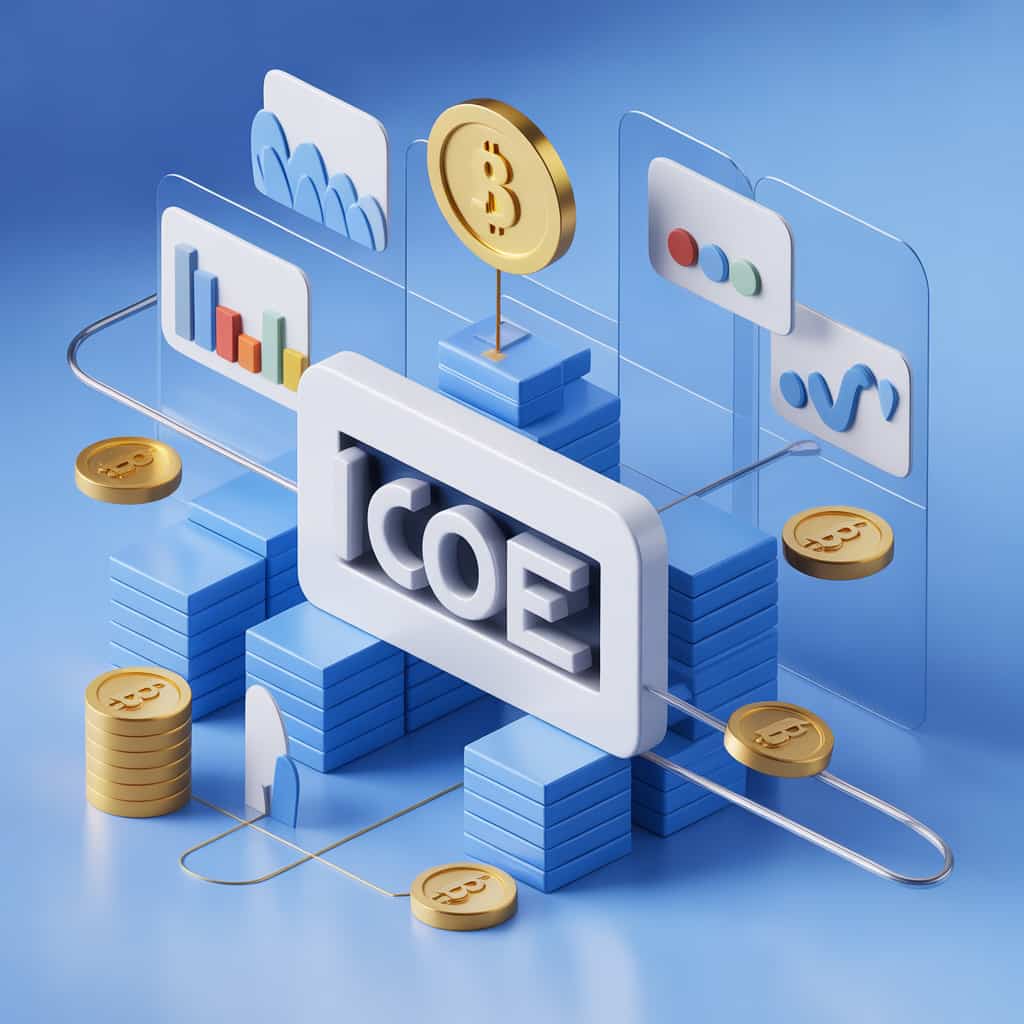
ICO stands for Initial Coin Offering. It’s a type of crowdfunding where people can buy new crypto tokens.
Crowdfunding isn’t a new idea, but it can be a bit risky in crypto.
ICOs give everyday people the chance to earn new tokens.
But be aware, not every ICO is safe. Sometimes scams happen.
In this guide, you’ll learn:
- How ICOs work
- Where to find them
- How to participate safely
Table of Contents
What Is an ICO?
ICO stands for Initial Coin Offering. As the name suggests, it’s a fundraising method used by companies or groups to launch new projects.
What are these projects? Simply put, they can be apps, services, or blockchain networks. There’s no limit to their size or type.
Ordinary people can support these projects with their own money or crypto.
The reward is tokens that can be used for the project’s services. Think of it like a school science project where everyone is interested, and those who help can benefit from the project.
But remember, the success of ICOs is not guaranteed. They are high-risk, as the value of tokens can sometimes decrease or even become zero if the project fails.
Before investing, it’s important to:
- Have faith in the project and team
- The project’s goals are clear
- There is transparency with the community
How Do ICOs Work?
When an ICO begins, it’s initially just a fundraising tool. But its ultimate goal is always to create a new project with investor support.
Here’s a step-by-step breakdown of how an ICO works from idea to offering:
Creating a Whitepaper: First, the team writes down their goals and plan in a public document called a whitepaper. This document outlines the project’s purpose, launch date, and funding requirements.
Choosing an ICO Platform/Launchpad: Platforms and launchpads provide developers with the support and foundation to build their projects.
Creating a Token: Then, a token is created. This is done through a smart contract, which is like a digital agreement.
Marketing: Now the project needs to be promoted. Social media and crypto forums are the best places to reach investors.
Initial Offering Begins: Investors now financially support the project and receive tokens. Offering structures can vary slightly.
ICO Price Structures
The amount of funding determines the success of an ICO, depending on the size and scope of the project.
Types of Price and Supply:
Static supply and fixed price: Developers decide how much funding is needed, and the price of each token is pre-set.
Static supply and changing price: The value of a token can change depending on support, as the funding goal is not fixed.
Dynamic supply and fixed price: The supply of a token is determined by the amount of funding received.
Private and Public ICOs:
Private ICOs: Only allow specific investors, such as financial institutions or wealthy individuals.
Public ICOs: Open to all. Anyone can invest. It is democratic, because the crypto community can decide which project is useful to them.
How ICOs Differ from Similar Fundraising Systems
ICOs are sometimes confused with other crypto funding methods. Let’s see what the difference is:
ICO vs. IPO:
- IPO stands for Initial Public Offering. This applies to the stock market, not crypto.
- IPOs usually raise money mid-project, while ICOs do so at the outset.
- IPOs are heavily regulated, while ICOs are not, making them slightly riskier.
ICO vs. Pre-Sale:
- A pre-sale token sale occurs before the ICO launches.
- Early investors can acquire tokens at a discount.
- This is a way to gauge interest in a project.
ICO vs Airdrop:
- In Airdrops, coins are randomly distributed into people’s wallets so they can try the project.
- The risk is that people could sell tokens and cause the price to crash (pump-and-dump).
- ICOs are a little safer because the token data can be verified on-chain.
How to Support an ICO Project
If you want to support an ICO, it’s quite simple.
To view ICO projects:
- Crypto exchanges like Coinbase and CoinGecko
- ICO list platforms
How to support an ICO:
Set up a crypto wallet:
- A wallet is needed to keep tokens safe.
- Non-custodial wallets and cold storage are safe from hackers.
Choose an ICO:
- Not every ICO is successful, so research is essential.
- Read the whitepaper, check the roadmap, and get to know the team members.
Buy funding tokens:
- Some ICOs accept fiat, but most require crypto (Bitcoin or Ether).
- Decide on the payment type and budget.
Send Funds:
Once the ICO is live, send your funds to the ICO wallet and check if the tokens have been received.
Successful ICO Examples:
Ethereum (ETH): Launched ICO in 2014, raised $18 million in 2 days. Famous for smart contracts.
Filecoin: Raised $257 million in 2017, known for decentralized storage.
EOS: ICO for 1 year, raised $4 billion, popular for zero transaction fees and easy Dapps.
But remember, not every ICO is successful. These days, success is rare due to legal issues.
Do ICOs Fall Under Regulation?
ICOs are a new idea in the crypto world, but they do work and sometimes raise millions of dollars.
However, legal authorities are a bit skeptical, and different countries around the world have different rules.
Most ICOs are unregulated, with regulations in place only in some regions. This creates two problems:
Legal Problems:
For example, the U.S. Securities and Exchange Commission (SEC) can shut down a project if it is found to be breaking laws.
Example: Munchee, a fast-food Dapp, was shut down after its ICO due to SEC action because the SEC deemed it an unregistered security.
Scams:
- ICOs are more prone to scammers because there is no strong regulator.
- According to a 2018 report, 80% of ICOs were scams.
How to Avoid ICO Scams:
Check the Whitepaper:
- An ICO without a whitepaper is suspicious.
- If the whitepaper is vague, rushed, or unclear, avoid the project.
Check the Developers’ History:
- Check their background and previous work.
Check the Roadmap:
- Trust a roadmap with realistic goals; avoid projects with ambitious and unrealistic ideas.
Check Partnerships:
- If the project is working with a company, this shows credibility.
Advantages and Drawbacks of ICOs
ICOs can be very beneficial, but they’re still a new idea and not perfect.
Pros:
Investor Accessibility: No one needs a portfolio or reputation to support an ICO. Everyone can participate in the crypto community.
Quick Startups: ICOs give developers the opportunity to quickly create projects, fostering new ideas and innovation.
Diversifying a Portfolio: If you’re outside of crypto, ICOs are an easy way to invest in new tokens and cryptocurrencies.
Ambitious Projects: ICO projects vary in size. Like Ethereum, which introduced smart contracts and a new blockchain platform.
Cons:
Regulatory Complications: ICOs are in a legal gray area, rules are unpredictable, and authorities can shut them down at any time.
Scams: Due to lack of regulation, scammers can easily create ICOs. Research is essential.
Not Guaranteed to Succeed: Many ICOs fail. Not every ICO is successful. Therefore, diversify; don’t invest all your money in one ICO.
Why This Matters
ICOs do have some risks, but they give developers and investors the opportunity to create and use new projects that take advantage of blockchain technology.
- Bitcoin 107K Breaks Strong as Bulls Eye Big Win
- Trump Crypto ETF Targets BTC And ETH in 2025
- Metaplanet Bitcoin Purchase Sparks Explosive 1111 BTC Buy
- Hyperliquid Builder Codes Top $10M New Crypto Boom Coming?
- Bitcoin Hits $123K Ahead of Make-or-Break
- Stellar (XLM) Explained: Easy Guide for Beginners
- JPMorgan Launching Crypto-Backed Loans With BTC and ETH
- SYRUP Defies Market Trends After Upbit Listing
- SHIB Hype Fades While Remittix Rises as the Smarter Crypto Choice
- CryptoPunks NFT Sells for $2.5M as NFT Market Shows Fresh Momentum
- XRP Price Expansion Phase: Can Ripple Reach $7 in 2025?
- Cardano WLFI Stablecoin and Chainlink Partnerships
- Binance Futures Trading Paused: Market Prices Rattled
FAQs
Have some countries banned ICOs?
Only China and South Korea have completely banned ICOs.
Is Telegram an ICO market?
Telegram is a messaging app, but developers can advertise their ICO projects there.